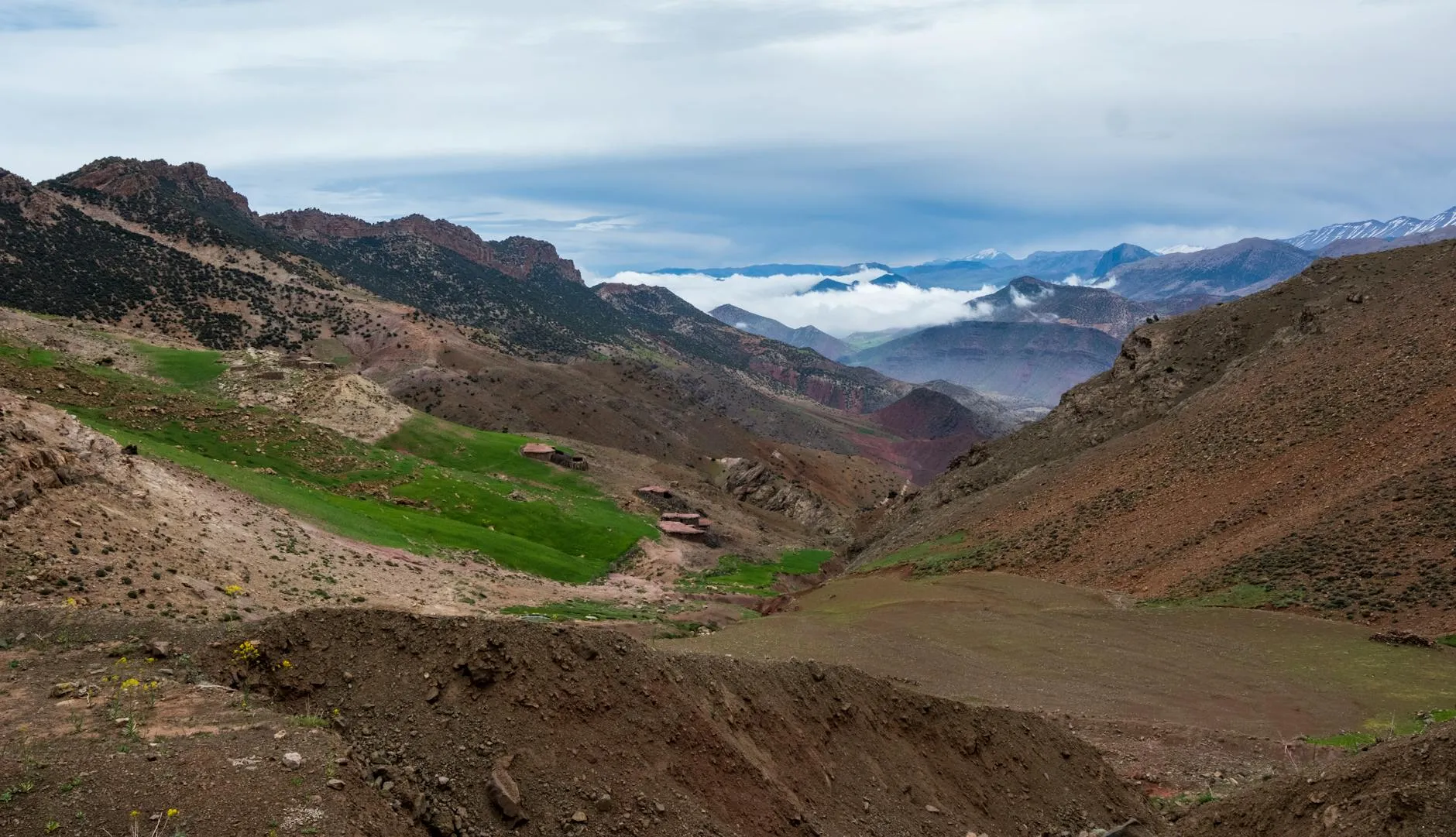
The Amazigh language is older than the argument about it.
Tamazight is a primary branch of one of Earth's oldest language families, written in a script attested for over two thousand years. This is the evidence, every claim sourced, nothing asserted on faith.
Four lines of evidence
The case does not rest on one argument. Language, stone, history, and genetics converge independently on the same conclusion: a deep, continuous Amazigh presence in North Africa.
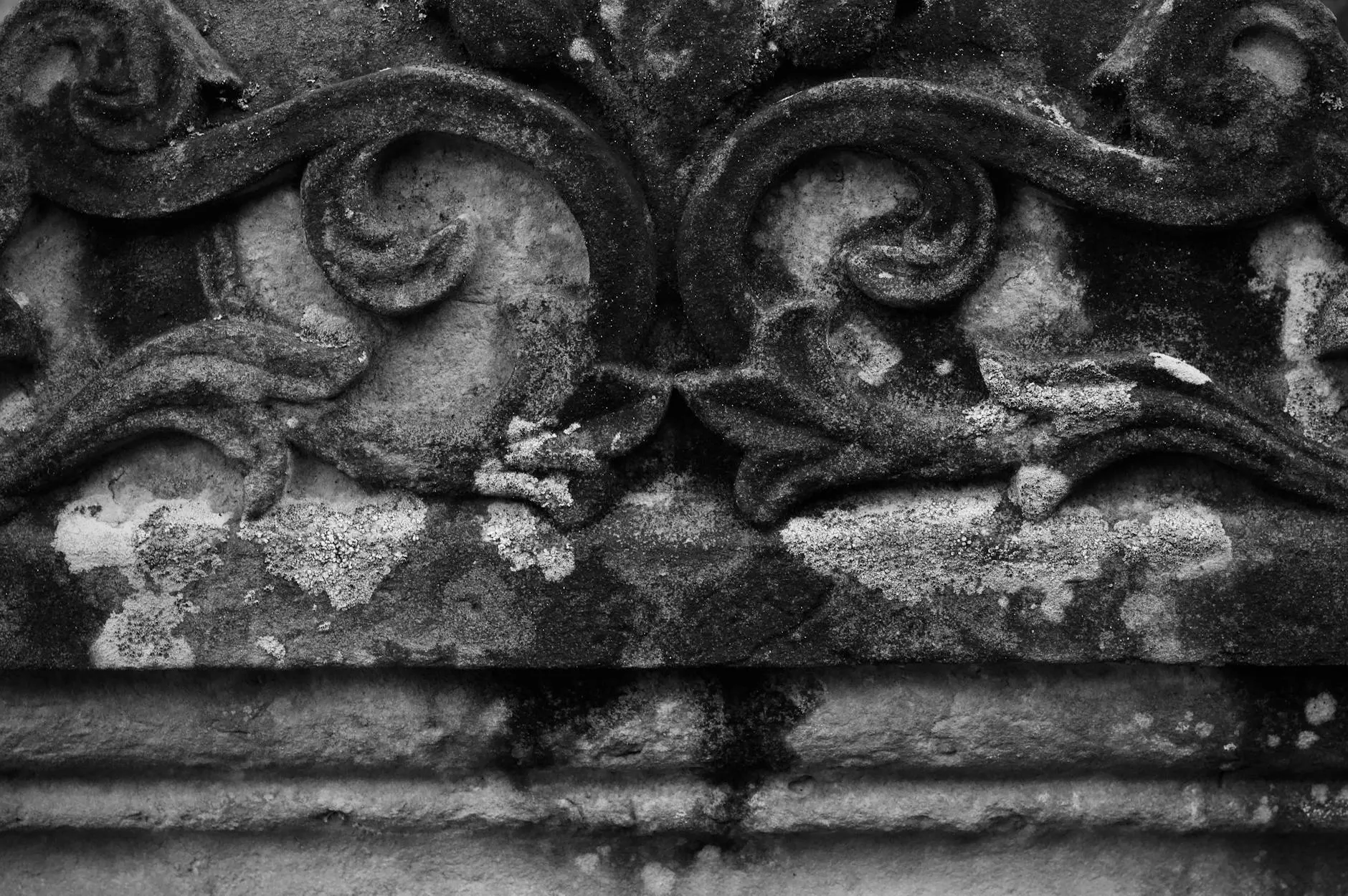
The Language & Its Script
Tamazight is a full branch of the Afroasiatic family with a writing tradition over two thousand years old, not a dialect, and not a recent creation.
Linguistics
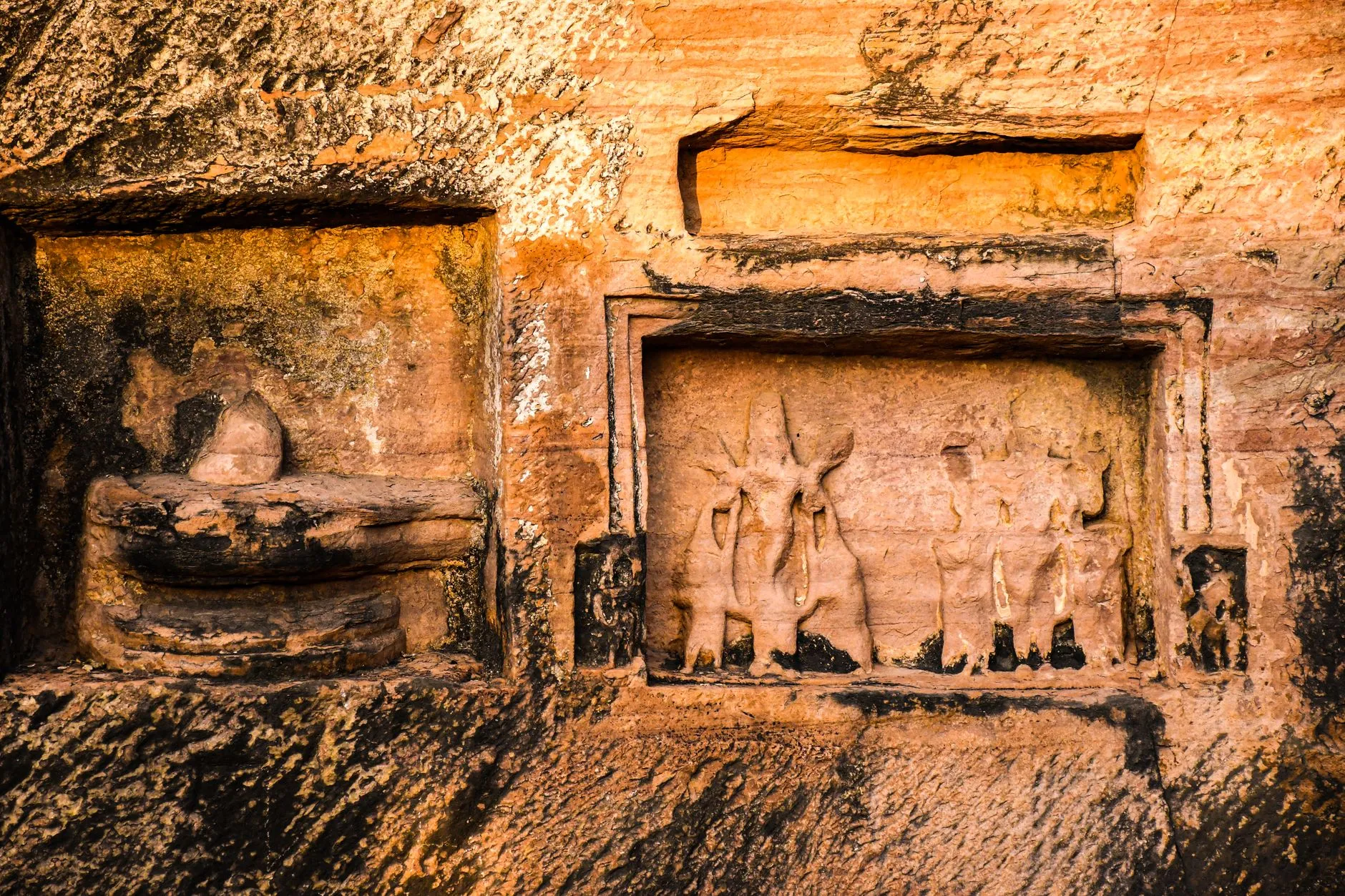
Stone, Script & Settlement
Dated inscriptions, a corpus of hundreds more, and a prehistoric record running back tens of thousands of years, all of it in the ground before Rome or the Arab conquest.
Archaeology
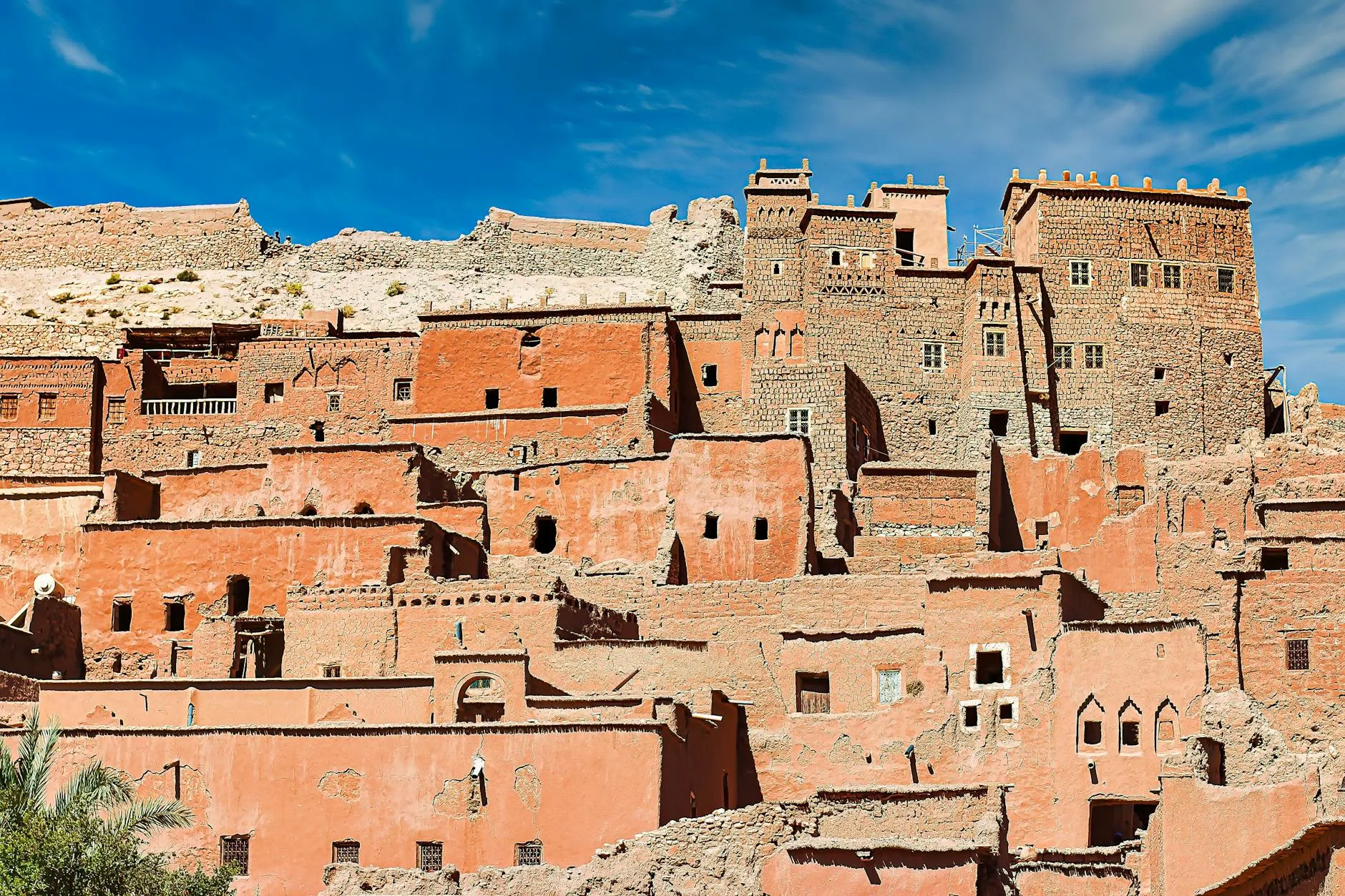
Kingdoms, Authors & Continuity
Numidian kings who minted their own coin and dated their own inscriptions, a Roman author who named his origin in court, and two Berber empires that ruled from the Sahara to Spain.
History
Blood & Continuity
Ancient DNA shows people living in the Maghreb 15,000 years ago, and shows them already connected to populations outside it. What that does and does not prove.
Genetics
What this is
Tamazgha is a reference, not a campaign. Its only method is to present the established evidence cleanly and let it speak. Claims in the evidence pillars link to the bibliography, currently 25 entries and growing, drawn from primary artifacts, peer-reviewed research, and standard reference works. Each entry is graded, so you can see at a glance whether a claim rests on an inscription, a journal article, or a nineteenth-century historian.
The deep evidence, meaning the language family, the script, and the population record, is settled scholarship and needs no defending. Where the material is political or contested, such as the modern history of the Amazigh movement, it is kept in a clearly marked context section and never mixed with the core record. Where the scholarship itself is unsettled, the page says so and names the competing reading. The method is written up in full on the about and method page.
The knowledge here is open, licensed CC BY-SA 4.0, free to mirror, translate, and build upon. If something is wrong, send a correction with a source and it will be fixed.